1. Photos and notes
If it is safe, the owner takes photos from a distance for insurance or a lease dispute. The crew adds notes of its own.
Lemay, MO · St. Louis County
Unknown powder, syringes and stained carpet in a Lemay home all call for the same step. Stay out, keep others away and call (877) 812-4220 for removal, cleaning and disposal.
If anyone is in danger, call 911 first. For a suicide crisis, call or text 988.
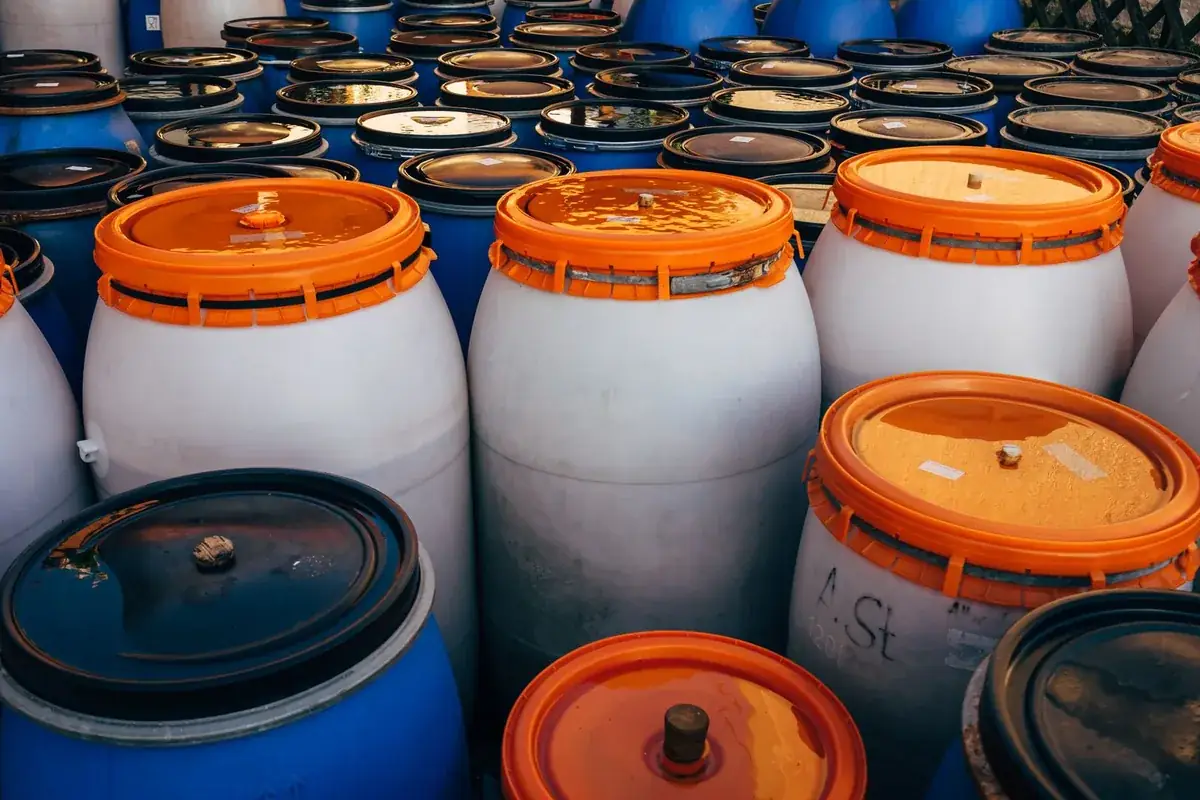
Biohazard cleanup for drug use covers removal of contaminated items, decontamination of surfaces, disposal of soft materials that cannot be cleaned and treatment of lingering odor.
If you are unsure whether your space in Lemay needs cleaning, you can talk with Lemay Biohazard Cleanup Help about it in St. Louis County. The team helps sort out what is paraphernalia cleanup and what may call for more testing.
Most homes in Lemay are owner occupied, with renters at only about 23% of households, so many calls come from families clearing a home or room. Emergency care for people in Lemay is available at Mercy Hospital South in Saint Louis. Cleanup can wait until everyone is safe.
A typical drug paraphernalia cleanup job includes:
If it is safe, the owner takes photos from a distance for insurance or a lease dispute. The crew adds notes of its own.
Cleanup technicians use puncture-resistant gloves and tools. Unknown powders are never swept or vacuumed dry.
Hospital-grade disinfectants go on hard surfaces. Odor treatment follows for lingering smells.
The crew cleans, checks, and walks the owner through what was done and what still needs attention.
The cost of drug paraphernalia cleanup in Lemay, MO depends on the amount of material, how it is packed and how it is hauled.
Documentation for a landlord, insurer or buyer can add some time, so tell the team up front if you will need it.
| Type of job | Typical range |
|---|
Estimates only, not a quote. Sources: . Price drivers include amount of material, whether residue is present, surfaces affected, waste disposal. Call (877) 812-4220 to talk through the job.
Do not touch, sweep or smell it, and do not try to clean it up first. Keep children and pets away. If anyone touched or swallowed it, call Poison Control, or 911 in an emergency. Then call a cleanup team to remove it safely.
No. Drug paraphernalia cleanup removes used items and cleans surfaces. A site where drugs were made is a different job with its own testing and clearance steps. If you think drugs were made in the home, say so when you call.
Vehicles can hold syringes, residue and odor in seats, carpets and vents. Ask whether the team cleans vehicles and how soft materials are treated. Crews use the same protective gear and sealed containers as in a building.
A careful cleanup removes the items and cleans the surfaces it covers. Testing is a separate step, and rules vary by place. Ask the team what it did and did not check, and ask the local health department what applies where you live.
Crews wear protective gear, remove sharps and loose items, and then clean hard surfaces with EPA-registered disinfectants. Porous materials such as carpet, padding or upholstery that took in residue may be removed. The team can explain what applies to your space.
Standard paraphernalia cleanup is about removal, cleaning and disinfection. Testing is a separate step, usually tied to a site where drugs were made. Ask the team and the local health department what testing, if any, applies to your property.
Crews work without judgment and focus on making the space safe.
Call (877) 812-4220